3 min read
Dental anxiety - you're not alone, and it can be overcome
About one in ten Swedish adults avoids the dentist out of fear. SBU has reviewed what actually works - here's the summary.


Leg. Tandläkare, Gränna Privattandläkare
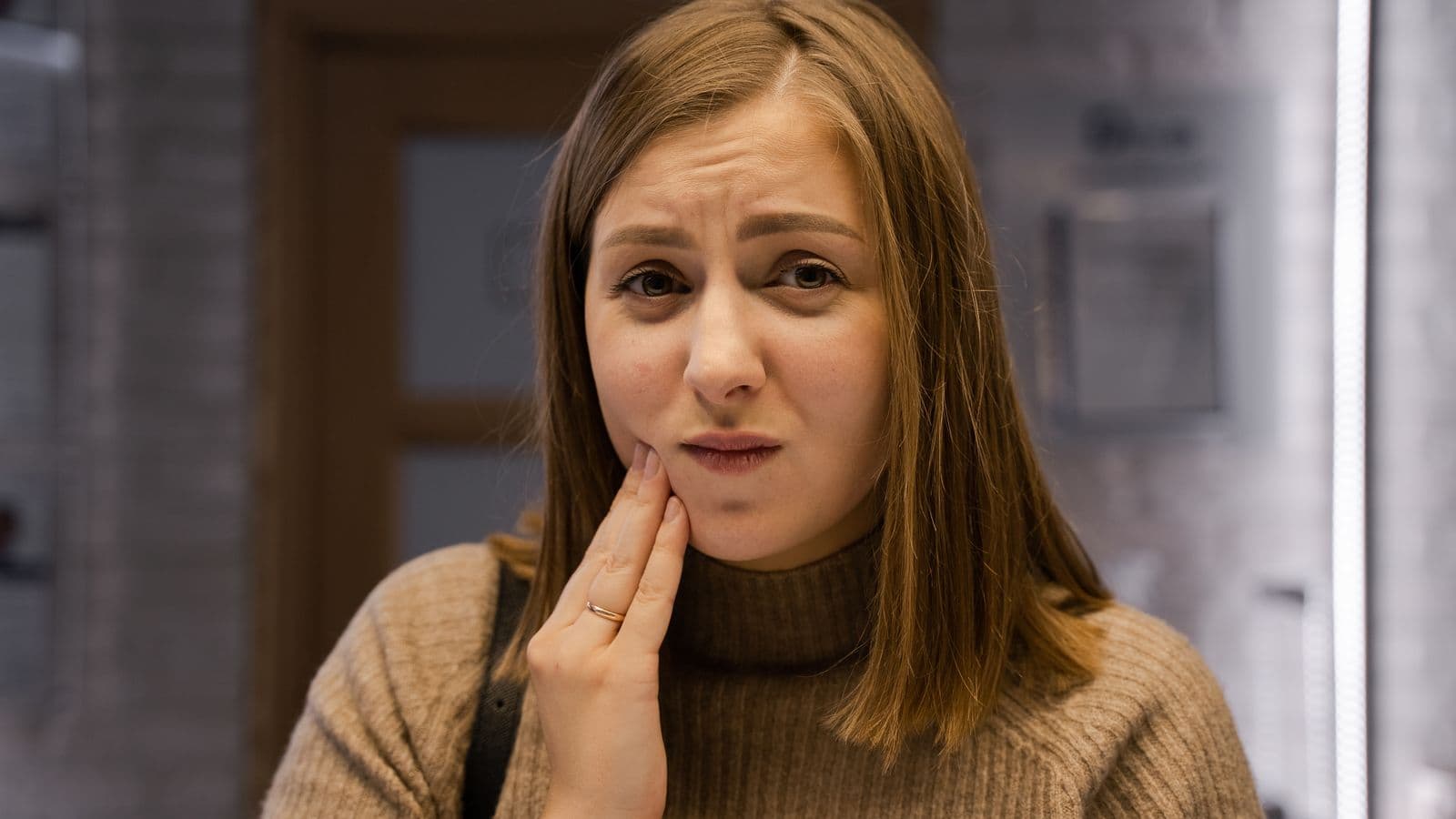
If you feel discomfort, anxiety, or outright fear about going to the dentist, you are far from alone. The Swedish Agency for Health Technology Assessment (SBU) estimates that around 10–15 % of Swedish adults have severe dental anxiety, and many more experience milder unease.1
The good news: dental anxiety is not a weakness of character. It's a common human phenomenon - and it can be treated, often without medication.
Why does it develop?
SBU's literature review points to several common sources:
- A bad experience earlier in life - often in childhood
- A feeling of lost control, or not being able to communicate during treatment
- Fear of pain, sounds, needles, or gagging
- Shame about the state of one's teeth - many delay further the longer it has been
- General anxiety that narrows into a specific avoidance
It doesn't matter where your fear comes from - the first step is to say it out loud to your dentist. Any good clinic knows how to respond.
What does the research say about treatment?
SBU's 2020 systematic review of treatments for dental anxiety was clear: cognitive behavioural therapy (CBT) and gradual exposure are the most evidence-based methods - not sedation alone.1
Concretely: a dentist who takes the time to explain, lets you set the pace, and lets you stop at any moment is often more effective than a dose of sedative before the visit.
How we work with it
At Gränna Privattandläkare, we follow these principles when someone tells us they're afraid:
- A slower first visit. We book extra time, even if it's just to talk and have a look. No treatment until you're ready.
- Clear communication. You'll know exactly what's going to happen and why - no surprises.
- Stop signal. Raise a hand and we stop. Always.
- Breaks are fine. You decide when it's time to continue.
- Gradual exposure. For those who need it, we start with the simplest steps and build confidence over time.
Concrete tips to try yourself
- Call ahead. Tell us about your fear when you book so we can prepare.
- Bring someone. A friend or partner in the waiting room (or the treatment room) makes a big difference.
- Music in headphones can mute the sounds that trigger fear.
- Breathing exercises. Slow exhales calm the nervous system - free apps can guide you.
- Avoid caffeine before the visit - it amplifies heart rate and nervousness.
- Eat something light beforehand. Low blood sugar makes anxiety worse.
If the fear is severe
For extreme dental anxiety (dental phobia), CBT with a psychologist can be combined with dental care. Some Swedish regions offer specific dental phobia teams. Ask your dentist or primary care centre what is available where you live.
For specific procedures, nitrous oxide or sedatives can be used as a supplement - but it's a supplement, not a permanent solution.
The most important step
The most important step is the first one: saying it out loud. Once we know you're afraid, we can adapt everything to that. You deserve dental care without shame and without fear.
If you are already in pain right now, fear is rarely the first thing you have time to think about. In that case our guide to emergency dental care in Gränna is a better starting point: it goes through who to call at which hour, and what you can do yourself while you wait.